
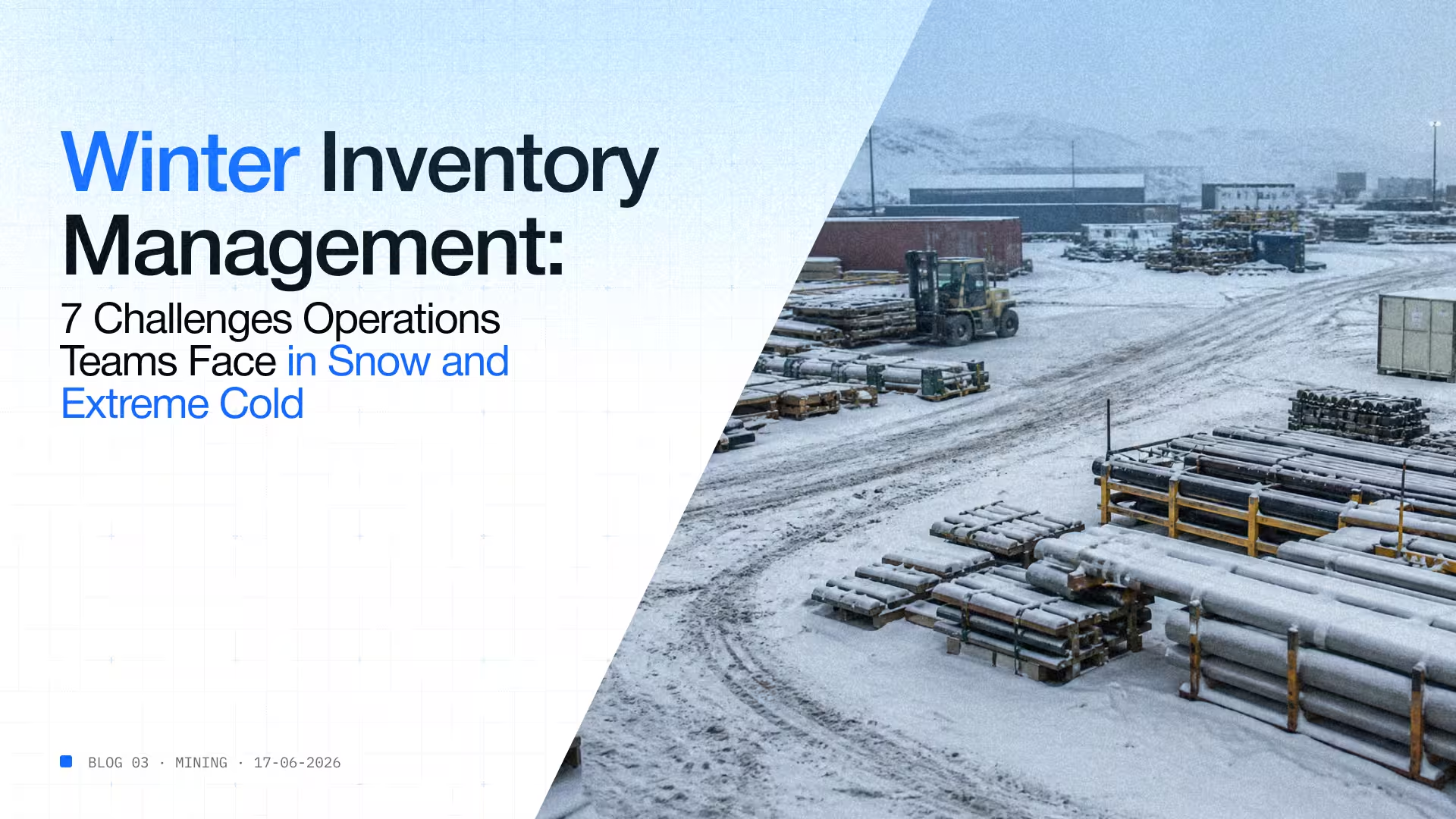
Winter conditions can make inventory management significantly more difficult, especially for mining operations, industrial facilities, stockyards, and remote sites.
Snow, ice, freezing temperatures, and reduced visibility can slow inventory processes, increase search times, impact inventory accuracy, and disrupt critical operations. For organizations managing inventory across large outdoor areas, winter weather can introduce challenges that standard inventory processes are not designed to handle.
This article explores the most common winter inventory management challenges and practical strategies for maintaining inventory visibility during cold-weather operations.
Inventory management relies on visibility, accessibility, and accurate inventory records.
Winter conditions can affect all three.
When inventory is stored outdoors or spread across multiple locations, snow accumulation, ice, poor visibility, and weather-related access restrictions can make it difficult to locate, count, and retrieve inventory efficiently.
The result is often increased labor requirements, delayed maintenance activities, and higher operating costs.
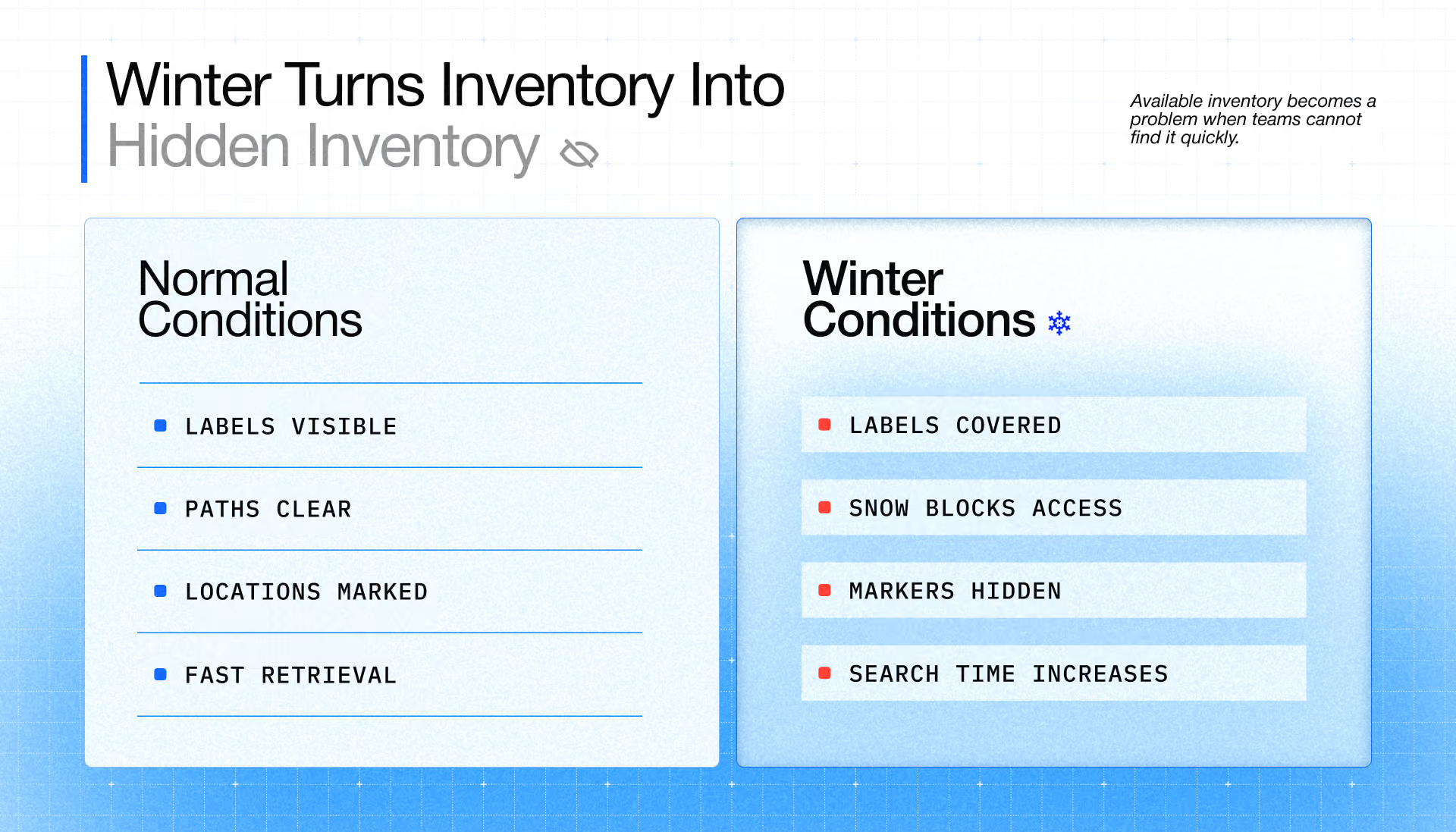
One of the biggest winter inventory challenges is simply finding inventory. Snow can cover inventory storage areas, labels, markers, and visual identifiers. Materials stored in outdoor stockyards may become partially or completely obscured after heavy snowfall. As a result, employees often spend additional time searching for inventory that is already available on-site. This increases labor costs and slows operational workflows.
Best Practice
Use digital inventory tracking systems that maintain accurate location records and provide inventory search capabilities. When employees know exactly where inventory is stored before entering the yard, search times can be significantly reduced.
Even when asset locations are mapped, severe winter conditions turn routine material retrieval into an operational bottleneck. Icy access routes, deep snowpacks, and vehicle restrictions delay field teams trying to pull parts. For industrial operations, a 30-minute delay in retrieving critical machinery spares can stall an entire maintenance shift and inflate unplanned downtime costs.
Best Practice
Stage high-turnover replacement parts in weather-protected or central staging hubs before peak winter hits. Audit retrieval lead times monthly during sub-zero operations to identify supply chain delays early.
Physical stock counts suffer dramatically during extreme cold. Freezing temperatures reduce worker endurance, while snow accumulation obscures barcodes, physical tags, and part numbers. Relying on manual paper logs or manual barcode scans in freezing weather leads to missing data, mismatched serial numbers, and severe discrepancies between your ERP records and actual stockyards.
Best Practice
Move away from annual physical counts in sub-zero weather. Transition to automated, mobile-based cycle counting throughout the year to capture real-time material movements without subjecting crews to prolonged cold exposure.
When field crews can’t find critical materials under heavy snowfall, they assume the site is out of stock. This creates "phantom stockouts," prompting frantic emergency purchases for parts that are already sitting in the laydown yard. Over time, duplicate purchasing inflates carrying costs, ties up working capital, and bloats surplus inventory once the spring thaw reveals the lost items.
Best Practice
Unify yard visibility across all storage zones with real-time digital tracking. Ensuring field teams can verify accurate stock levels on mobile devices stops panic buying before emergency purchase orders are placed.
Industrial mining, oil & gas, and remote infrastructure sites frequently operate in zones with weak cellular coverage. Winter blizzards worsen the problem by knocking out satellite and network infrastructure. When field technicians lose cloud connectivity, manual record-keeping breaks down, leading to untracked asset transfers and inventory blackouts across the job site.
Best Practice
Deploy field tracking software equipped with offline mobile sync. Field crews can scan, update, and transfer stock offline, with updates automatically syncing to your central database once connection is restored.
Sub-zero temperatures place extreme stress on industrial machinery, leading to frequent mechanical failures. When equipment breaks down, maintenance teams require immediate access to replacement components. Unclear storage layouts, inaccurate stock counts, or missing spares directly stall repair schedules; leading to compounding operational downtime and lost revenue.
Best Practice
Establish automated reorder thresholds and minimum stock alerts specifically for high-wear winter spares. Keep real-time tracking active on critical spares to streamline work order turn
Outdoor assets exposed to continuous freezing rain, snow, and mud quickly lose their visual identification. Standard paper shipping labels tear, conventional barcodes become unreadable under frost, and surface paint marks wash away. Once identifiers fail, field teams waste hours trying to manually verify asset specs against paper manifests.
Best Practice
Switch to ruggedized, weather-resistant RFID tags and heavy-duty asset markers designed for sub-zero durability. Combine durable tagging with GPS yard mapping so assets remain discoverable regardless of weather conditions.
Looking to eliminate outdoor search times this winter? Scatterlink’s RFID-powered platform gives field teams precise location tracking and mobile access so you can locate materials instantly, even under heavy snow.
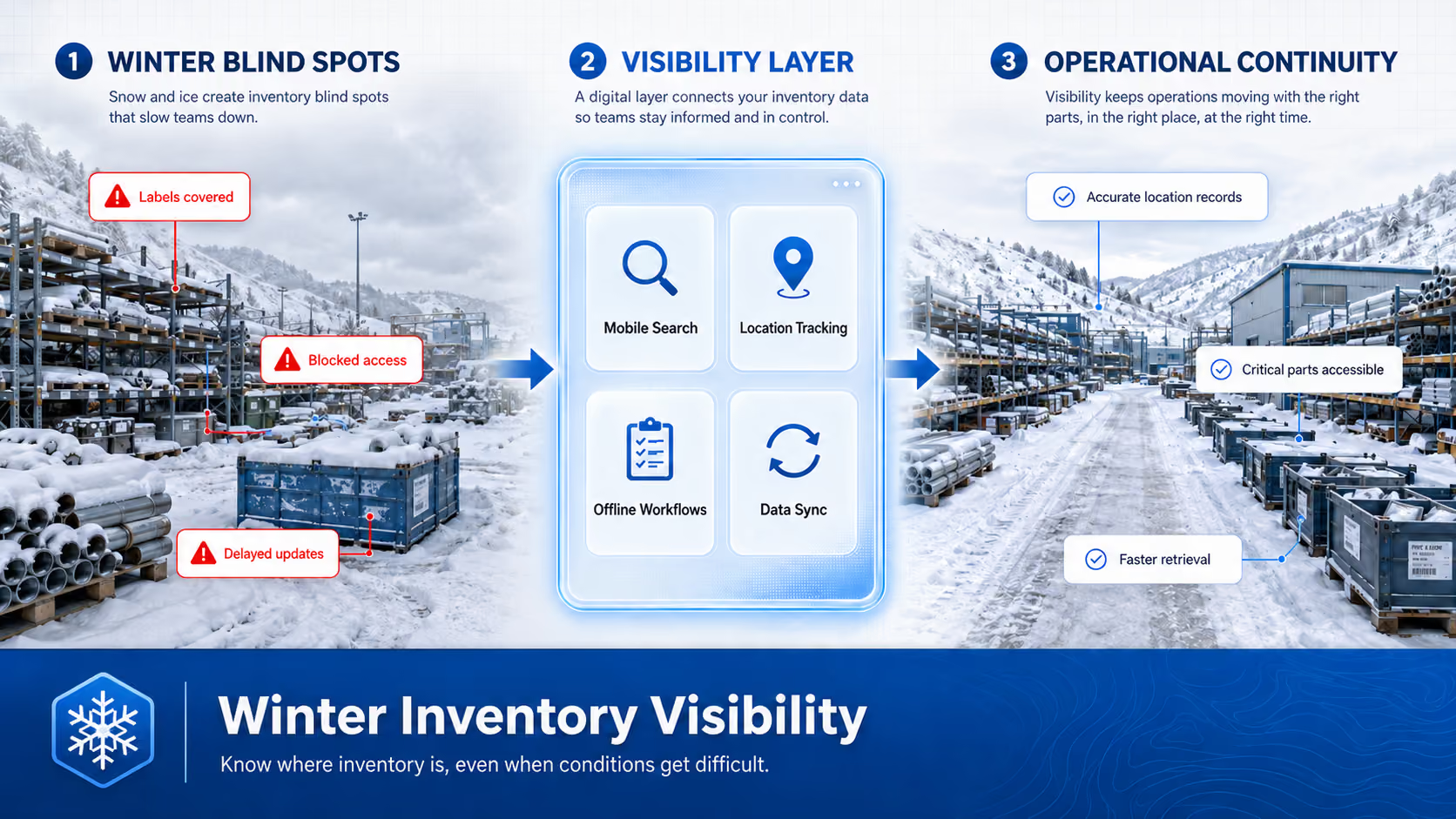
Technology can help organizations overcome many of the challenges associated with winter inventory management.
Modern inventory management systems provide:
These capabilities reduce reliance on manual processes and improve inventory accessibility even during challenging weather conditions.
For large industrial sites, stockyards, and mining operations, inventory tracking technologies can help employees spend less time searching for inventory and more time completing operational tasks.
Explore Scatterlink’s Inventory Intelligence Platform to see how offline-first mobile sync keeps your counts accurate through every storm.
Organizations preparing for winter operations should focus on the following areas:
Standard ERPs often struggle with dynamic outdoor environments. To maintain control during winter, transition from static spreadsheets to a dynamic inventory intelligence platform that offers pinpoint asset location mapping.
Don't wait for a blizzard to reveal which equipment replacement parts are missing. Categorize your inventory by operational criticality and stage essential repair components in easily accessible, weather-protected zones before extreme cold sets in.
Attempting a massive end-of-year manual inventory audit in sub-zero temperatures leads to human error and safety risks. Move toward routine digital cycle counting using ruggedized mobile devices built for field operations.
Paper tags freeze, barcodes get obscured by frost, and manual logs lead to duplicate emergency orders. Modern tracking technologies like passive RFID and mobile barcode scanning capture stock movements instantly, ensuring off-site managers and field teams share a single source of truth.
Heavy snow drastically alters physical access pathways. Re-evaluate your stockyard layout before peak winter to ensure heavy machinery can safely maneuver to retrieve heavy materials without causing yard damage or safety hazards.
Winter introduces inventory management challenges that extend beyond weather-related inconvenience. Reduced visibility, difficult access conditions, and increased search times can directly affect operational efficiency and inventory accuracy.
Organizations that prioritize inventory visibility, accurate inventory records, and efficient inventory tracking processes are better positioned to maintain productivity throughout the winter season. By combining strong inventory practices with modern inventory management technology, operations teams can reduce disruptions and ensure critical inventory remains available when it is needed most.
Don’t let freezing weather freeze your operational productivity. Book a demo with us today, to discover how end-to-end inventory visibility keeps your site moving all winter long.
Winter conditions can make inventory harder to locate, access, count, and track. Snow, ice, and poor visibility often increase retrieval times and contribute to inventory inaccuracies.
Inventory visibility helps organizations locate inventory quickly, reduce search times, avoid duplicate purchases, and maintain operational continuity during adverse weather conditions.
Mining, industrial operations, construction, utilities, transportation, and organizations with outdoor inventory storage are particularly affected by winter inventory management challenges.
Companies can improve winter inventory management by maintaining accurate inventory records, implementing real-time inventory tracking, conducting regular cycle counts, and improving visibility across storage locations.
Poor inventory visibility can lead to delayed maintenance activities, stockouts, duplicate purchases, increased labor costs, and operational disruptions.
%20(1).avif)
.avif)
%20(1).avif)