

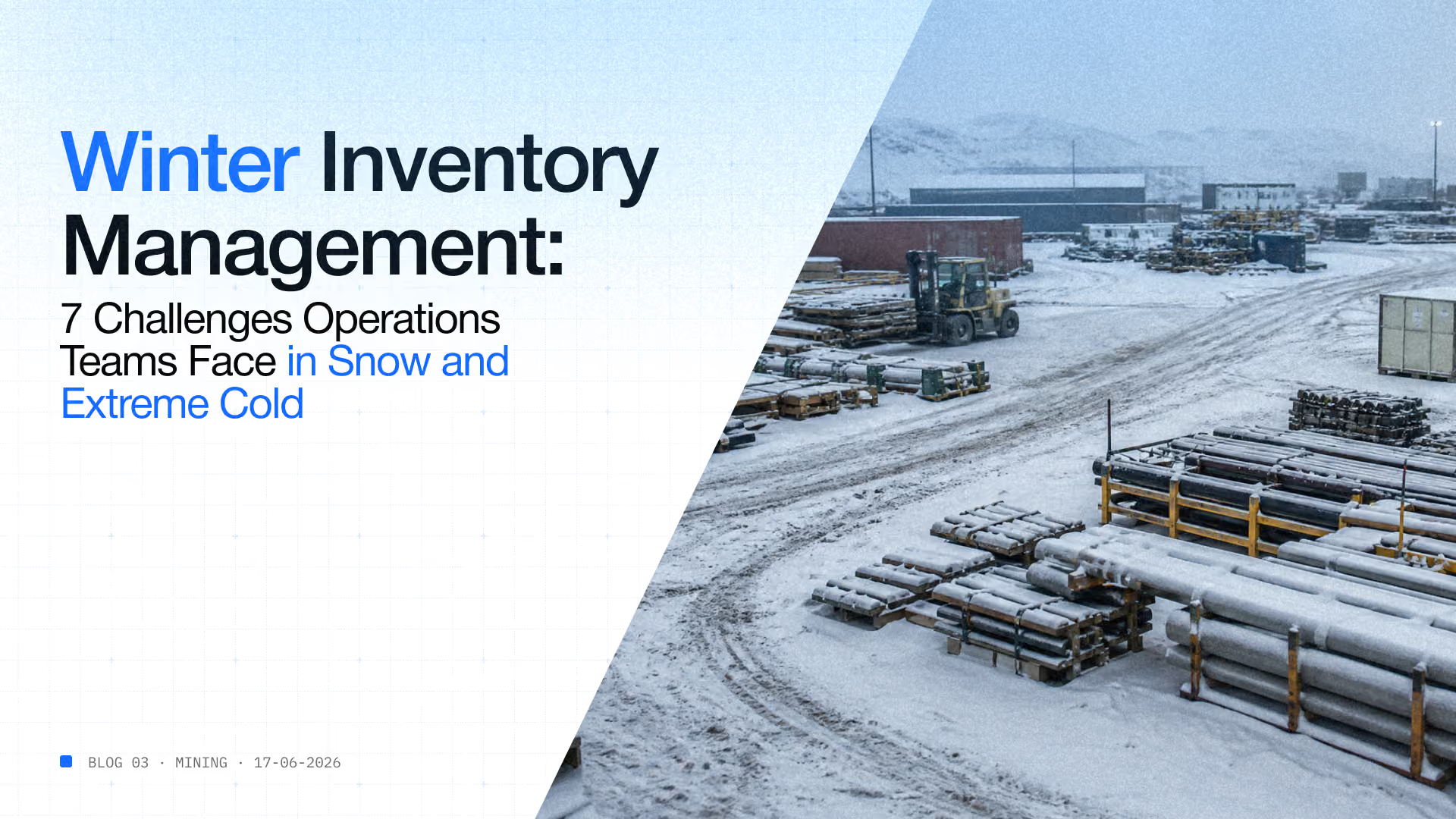
Winter conditions can make inventory management significantly more difficult, especially for mining operations, industrial facilities, stockyards, and remote sites.
Snow, ice, freezing temperatures, and reduced visibility can slow inventory processes, increase search times, impact inventory accuracy, and disrupt critical operations. For organizations managing inventory across large outdoor areas, winter weather can introduce challenges that standard inventory processes are not designed to handle.
This article explores the most common winter inventory management challenges and practical strategies for maintaining inventory visibility during cold-weather operations.
Inventory management relies on visibility, accessibility, and accurate inventory records.
Winter conditions can affect all three.
When inventory is stored outdoors or spread across multiple locations, snow accumulation, ice, poor visibility, and weather-related access restrictions can make it difficult to locate, count, and retrieve inventory efficiently.
The result is often increased labor requirements, delayed maintenance activities, and higher operating costs.
One of the biggest winter inventory challenges is simply finding inventory.
Snow can cover inventory storage areas, labels, markers, and visual identifiers. Materials stored in outdoor stockyards may become partially or completely obscured after heavy snowfall.
As a result, employees often spend additional time searching for inventory that is already available on-site.
This increases labor costs and slows operational workflows.
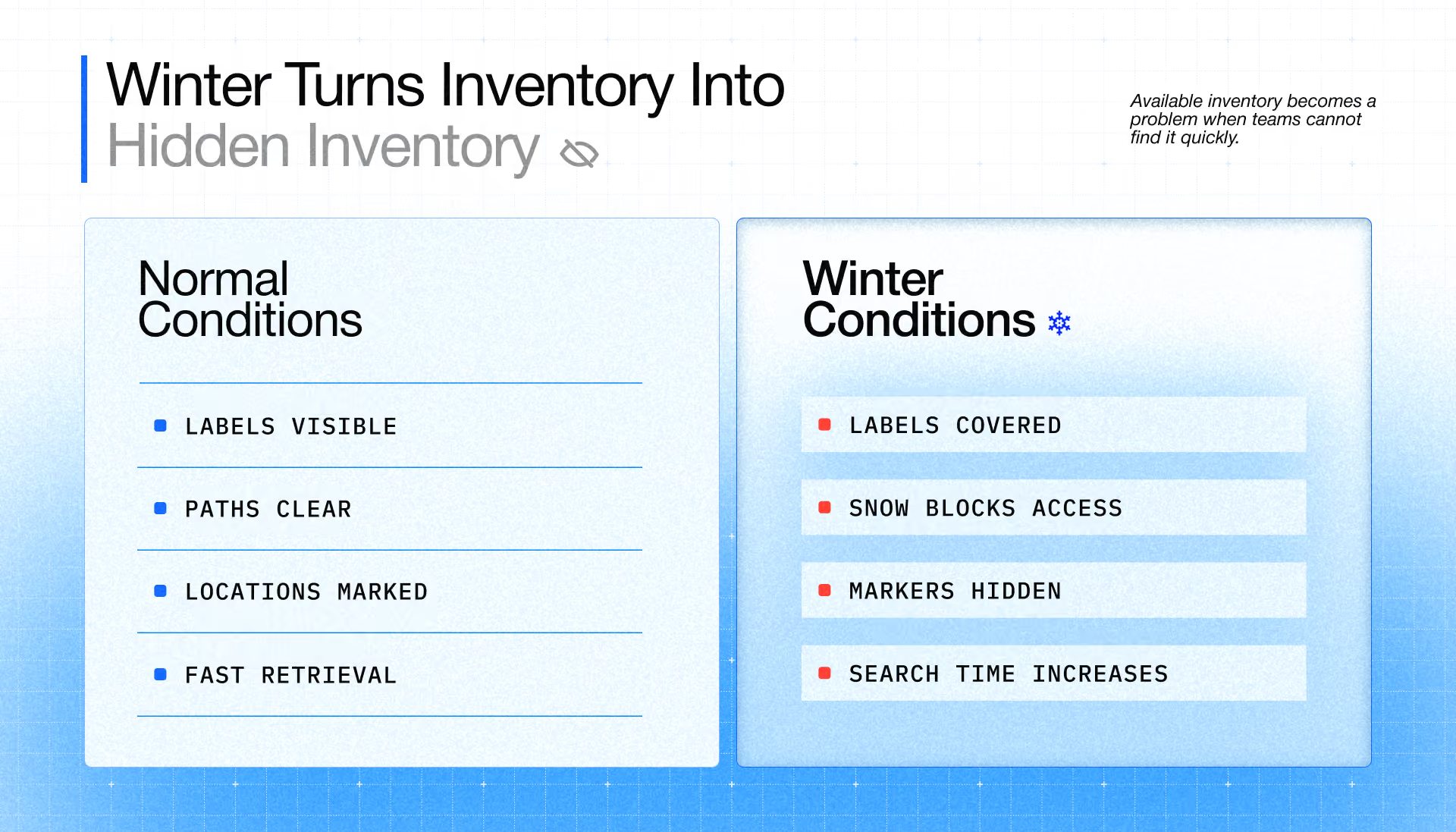
Use digital inventory tracking systems that maintain accurate location records and provide inventory search capabilities.
When employees know exactly where inventory is stored before entering the yard, search times can be significantly reduced.
Even when inventory locations are known, accessing inventory during winter conditions can be challenging.
Snow-covered pathways, icy surfaces, and restricted vehicle access can increase retrieval times.
For maintenance teams requiring critical spare parts, even minor delays can affect repair schedules and equipment availability.
Identify high-priority inventory before winter begins and store critical inventory in locations that remain accessible throughout the season.
Regularly review retrieval times for frequently used inventory items.
Physical inventory counts become more difficult during winter months.
Poor visibility, limited access, freezing temperatures, and snow-covered inventory can make it harder to verify quantities accurately.
Organizations that rely on manual counting processes may experience increased discrepancies between recorded inventory and actual inventory levels.
Conduct cycle counts throughout the year rather than relying solely on large annual inventory audits.
Frequent counting helps identify discrepancies before they become larger inventory issues.
When inventory cannot be located quickly, teams often assume inventory is unavailable.
This can trigger unnecessary purchases for inventory that already exists within the organization.
Over time, duplicate purchases increase carrying costs and contribute to excess inventory.
Improve inventory visibility across all storage locations and ensure inventory records are updated in real time.
Accurate inventory information reduces unnecessary purchasing decisions.
Many mining and industrial operations function in remote environments where connectivity may already be limited.
Winter storms can further impact communication and network availability.
Without access to current inventory information, teams may struggle to track inventory movements accurately.
Use inventory management solutions that support offline functionality and synchronize inventory data when connectivity becomes available.
This helps maintain inventory accuracy regardless of weather conditions.
Winter often places additional demands on operational equipment.
At the same time, maintenance teams require quick access to replacement inventory and spare parts. If inventory records are inaccurate or inventory locations are unclear, maintenance activities can be delayed.
For operations that depend on continuous equipment availability, these delays can have significant consequences.
Maintain visibility into critical maintenance inventory and monitor inventory levels throughout the winter season.
Establish minimum inventory thresholds for frequently used items.
Inventory stored outdoors may be exposed to snow accumulation, moisture, freezing temperatures, and ice.
These conditions can affect packaging, labels, and inventory identification methods.
In some cases, inventory can become difficult to distinguish from surrounding materials.
Use durable inventory identification methods and maintain clear inventory location records that remain accessible regardless of weather conditions.
Organizations should also inspect outdoor inventory storage areas regularly throughout the winter season.
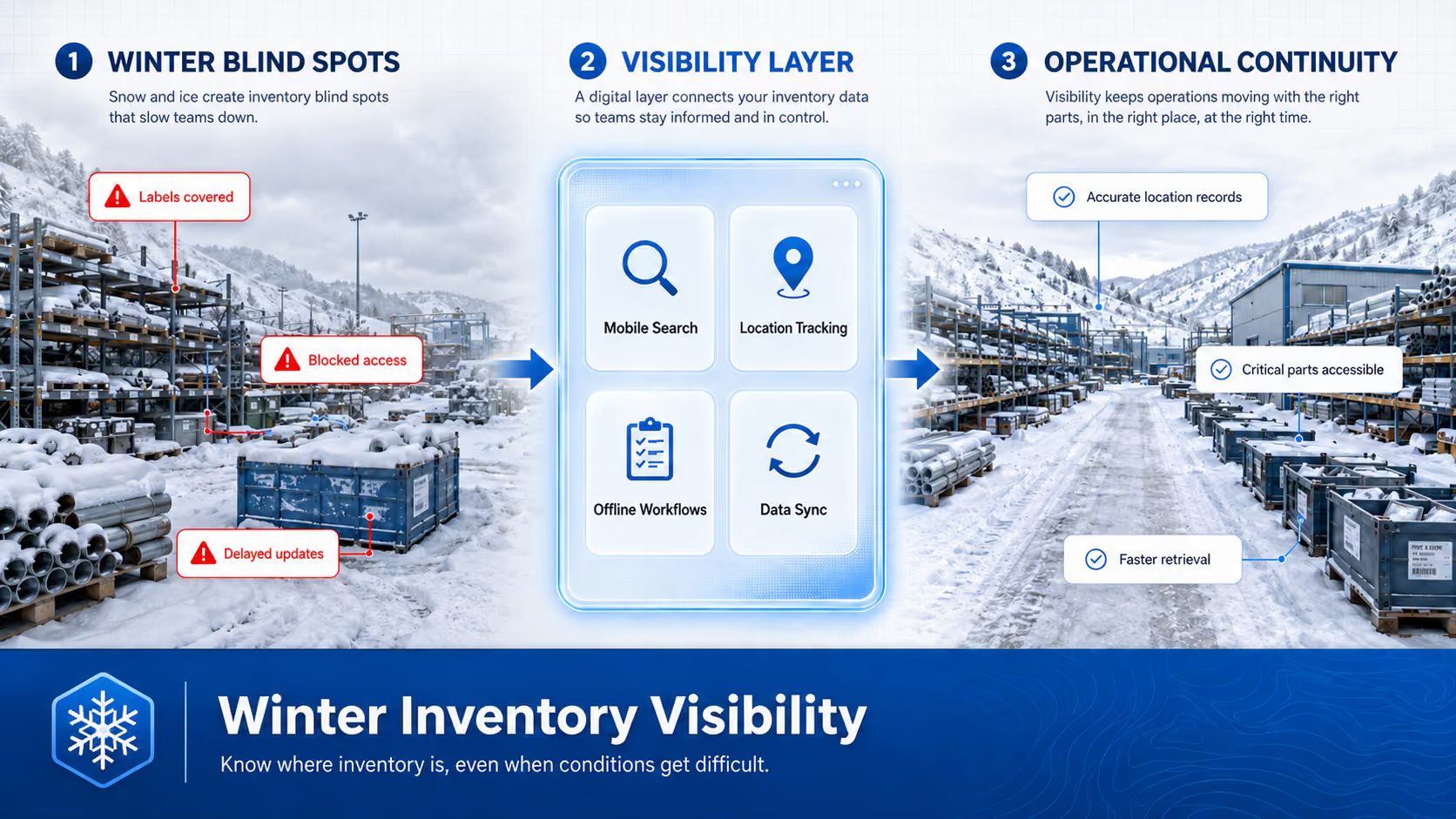
Technology can help organizations overcome many of the challenges associated with winter inventory management.
Modern inventory management systems provide:
These capabilities reduce reliance on manual processes and improve inventory accessibility even during challenging weather conditions.
For large industrial sites, stockyards, and mining operations, inventory tracking technologies can help employees spend less time searching for inventory and more time completing operational tasks.
Organizations preparing for winter operations should focus on the following areas:
Ensure inventory records remain accurate and current across all locations.
Prioritize inventory required for maintenance, repairs, and operational continuity.
Regular reviews help identify discrepancies before they impact operations.
Automated inventory tracking can improve accuracy and efficiency during winter conditions.
Review inventory layouts and ensure critical inventory remains accessible throughout the season.
Winter introduces inventory management challenges that extend beyond weather-related inconvenience. Reduced visibility, difficult access conditions, and increased search times can directly affect operational efficiency and inventory accuracy.
Organizations that prioritize inventory visibility, accurate inventory records, and efficient inventory tracking processes are better positioned to maintain productivity throughout the winter season. By combining strong inventory practices with modern inventory management technology, operations teams can reduce disruptions and ensure critical inventory remains available when it is needed most.
Winter conditions can make inventory harder to locate, access, count, and track. Snow, ice, and poor visibility often increase retrieval times and contribute to inventory inaccuracies.
Inventory visibility helps organizations locate inventory quickly, reduce search times, avoid duplicate purchases, and maintain operational continuity during adverse weather conditions.
Mining, industrial operations, construction, utilities, transportation, and organizations with outdoor inventory storage are particularly affected by winter inventory management challenges.
Companies can improve winter inventory management by maintaining accurate inventory records, implementing real-time inventory tracking, conducting regular cycle counts, and improving visibility across storage locations.
Poor inventory visibility can lead to delayed maintenance activities, stockouts, duplicate purchases, increased labor costs, and operational disruptions.
%20(1).avif)
.avif)
%20(1).avif)